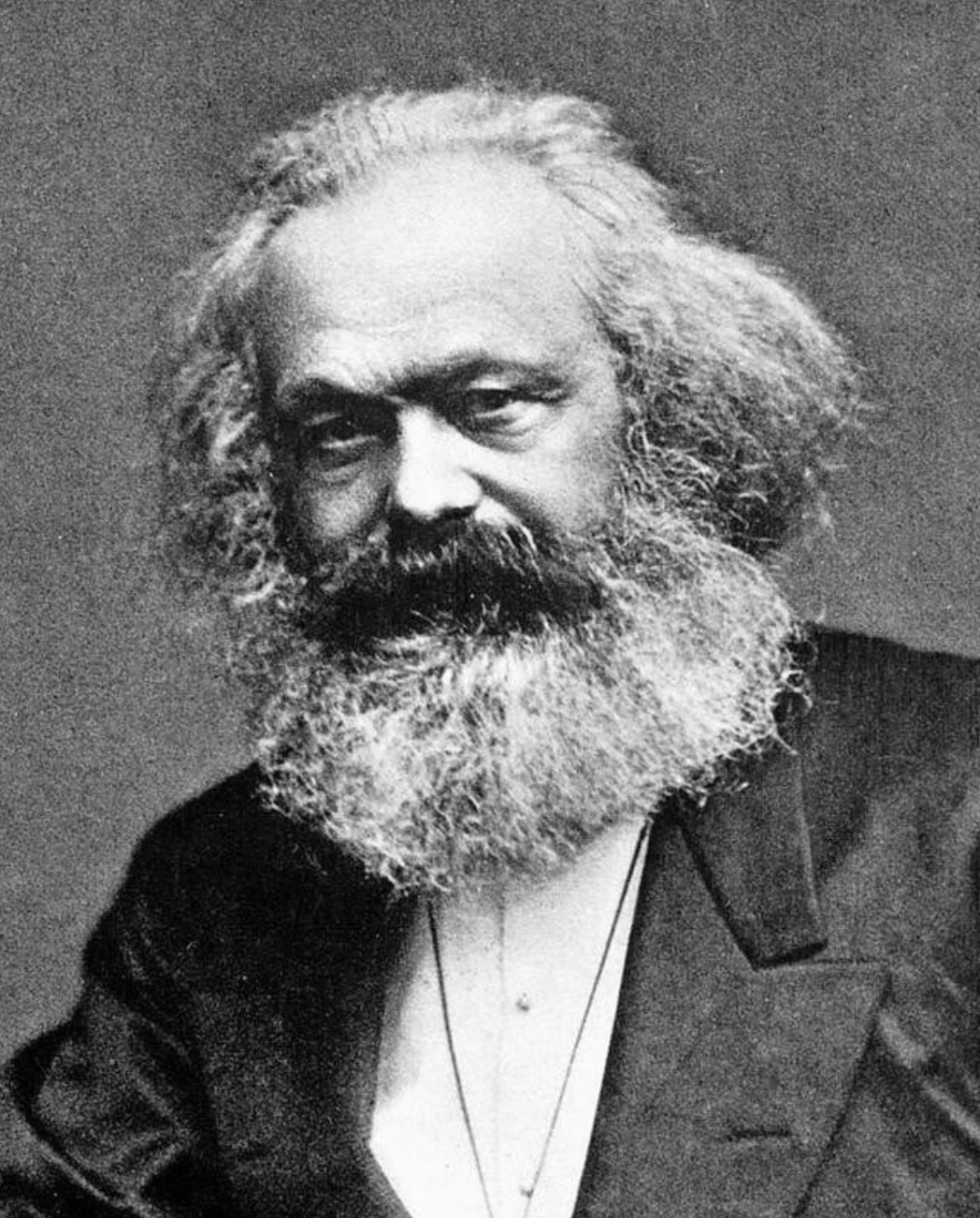
Karl Marx — Society, Inequality, and the Call for Change
Theodoros Kafantaris
Published on January 19, 2026
The philosopher who challenged the world to see injustice and imagine a fairer society
Imagine walking through a bustling industrial city in the 19th century. Smoke rises from factories, children work long hours, and the streets are alive with both opportunity and struggle. Into this world stepped Karl Marx, a thinker who refused to accept that suffering was inevitable. Marx taught that society could be understood, analyzed, and transformed—and that awareness of inequality is the first step toward change.
Marx shows us that philosophy is not only about ideas—it is about action and justice.
The Life of the Revolutionary Thinker
Karl Marx was born in 1818 in Trier, Prussia (modern Germany). He studied law, philosophy, and history, becoming deeply interested in how societies function and why inequality persists.
Marx observed firsthand the hardships of the working class under industrial capitalism. He argued that social structures shape human experience, and that injustice is not a personal failing but a systemic problem. Marx’s life reminds us that true insight often emerges from witnessing suffering and seeking solutions.
Core Ideas of Karl Marx
Marx’s philosophy focuses on understanding society and inspiring change:
1. Historical Materialism
Marx believed that material conditions—how people produce and exchange goods—shape history. The struggles between classes drive social change, and understanding these dynamics reveals the forces behind progress and conflict.
2. Class Struggle
Society is divided between those who control wealth and resources (the bourgeoisie) and those who labor to produce it (the proletariat). Marx argued that recognizing these divisions is essential for creating a fairer world.
3. Alienation
Workers often become estranged from their labor, their creativity, and even themselves under exploitative systems. Awareness of this alienation is the first step toward reclaiming meaning, dignity, and agency.
4. Vision of a Just Society
Marx imagined a society where wealth and power are shared, and people contribute according to ability and receive according to need. His philosophy emphasizes equity, justice, and collective responsibility.
Why Marx Matters Today
Even beyond politics and economics, Marx’s insights remain relevant:
-
Social Awareness: Understanding inequality helps us see systemic causes of suffering.
-
Empowerment: Awareness of conditions gives individuals and communities the power to act.
-
Justice-Oriented Thinking: Ethical reflection extends beyond personal morality to societal responsibility.
-
Critical Analysis: Questioning established systems fosters innovation and reform.
Marx reminds us that philosophy can be a call to action, inspiring people to imagine and work for a more just world.
Bringing Marx Into Your Life
Even without studying economics or politics deeply, Marx’s teachings can inspire practical reflection:
⭐ 1. Observe critically
Notice patterns in society—inequality, injustice, and unfair structures.
⭐ 2. Question assumptions
Challenge norms and beliefs that perpetuate harm or unfairness.
⭐ 3. Advocate responsibly
Take small actions to support fairness, equity, and kindness in your community.
⭐ 4. Reconnect with purpose
Work and creativity are most fulfilling when they contribute to meaningful goals.
⭐ 5. Imagine better futures
Use insight and imagination to envision solutions, not just complaints.
An Inspirational Takeaway
Karl Marx teaches that awareness is power. By understanding social structures, inequities, and human potential, we can act consciously to improve the world. Philosophy is not only reflection—it is responsibility, empathy, and courage in the face of injustice.
If Socrates gave us courage, Plato gave us vision, Aristotle gave us balance, Locke gave us freedom, Descartes gave us clarity, Kant gave us moral compass, and Aquinas gave us harmony of reason and faith, Marx gives us the lens to see society clearly and the courage to strive for justice.
A Quote to Reflect On
“The philosophers have only interpreted the world, in various ways. The point, however, is to change it.”
— Karl Marx
Thought without action is incomplete. Change begins with understanding.

