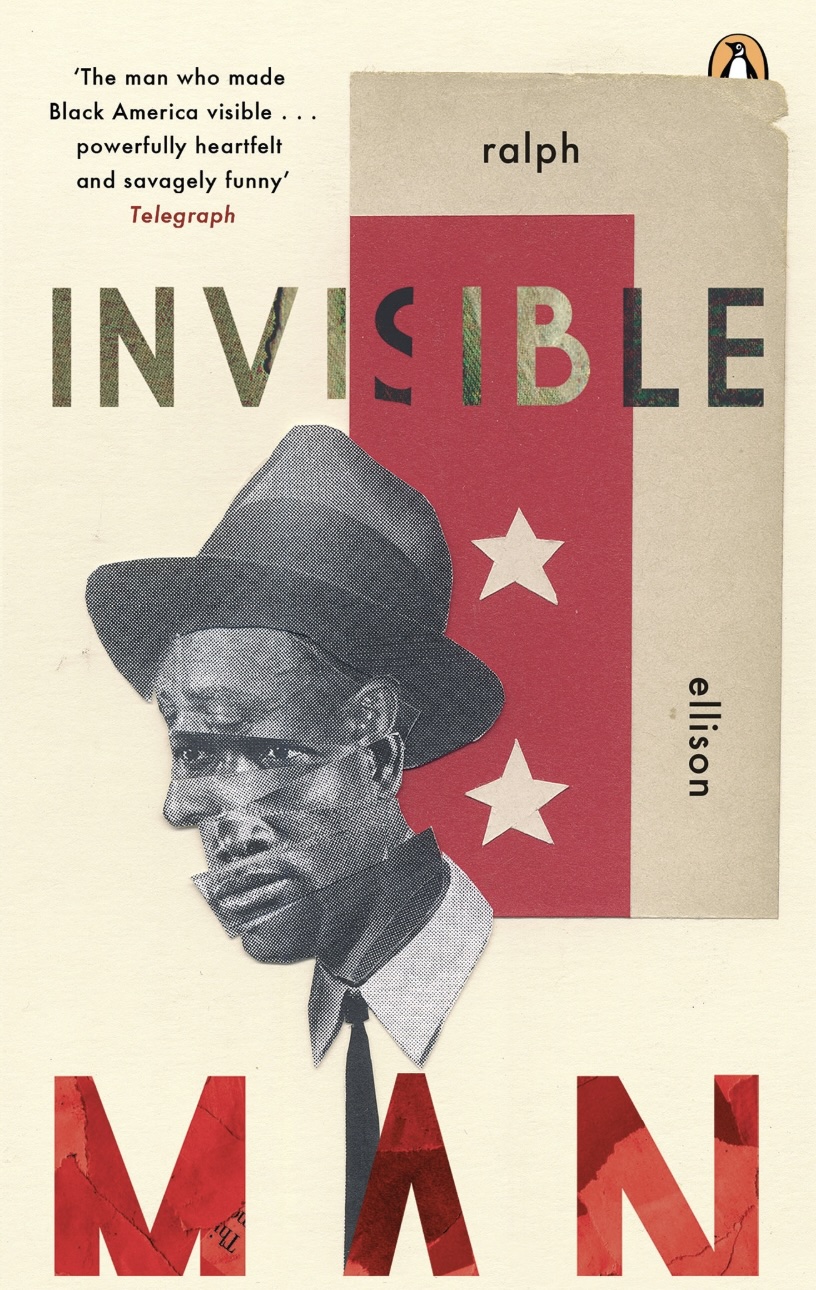
Invisible Man by Ralph Ellison
"I am an invisible man." With that simple, shattering declaration, Ralph Ellison opened his 1952 monumental debut, Invisible Man, and fundamentally reshaped the landscape of American letters. This novel is the sprawling, satirical, and profound journey of an unnamed young Black man from the Jim Crow South to the dynamic, deceptive streets of 1930s Harlem, chronicling his realization that the greatest obstacle he faces isn't outright hatred, but the willful blindness of the white world.
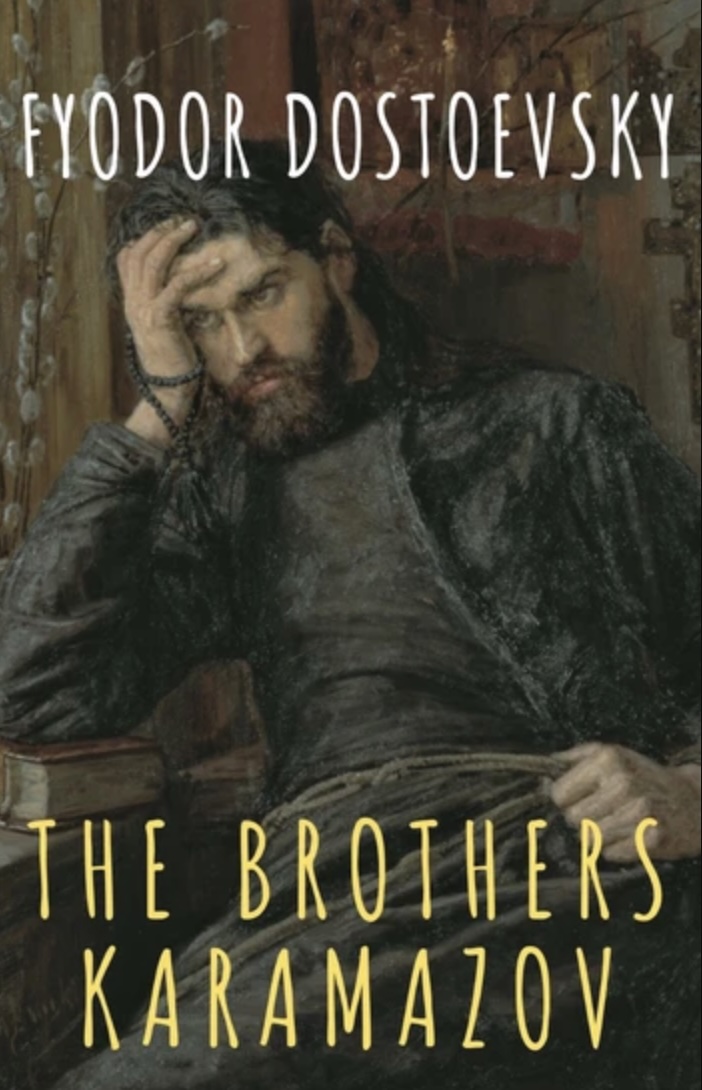
The Brothers Karamazov by Fyodor Dostoevsky
Welcome to the family from hell. Fyodor Dostoevsky's final and most monumental novel, The Brothers Karamazov (1880), is a towering achievement of world literature. It is simultaneously a gripping murder mystery, a passionate love story, a blistering courtroom drama, and the deepest philosophical inquiry into the nature of faith, doubt, and freedom ever written in novel form.
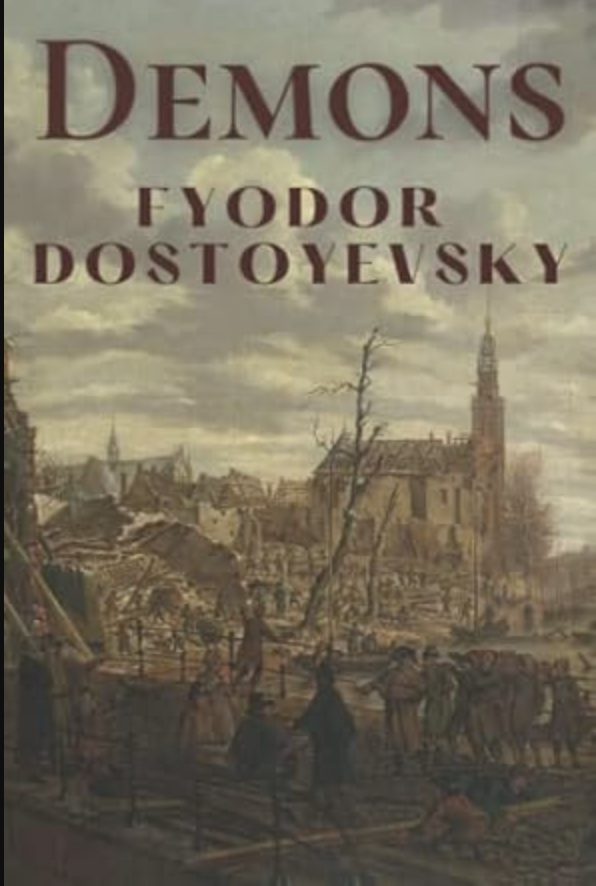
Demons (The Possessed) by Fyodor Dostoevsky
Welcome to the darkest, most prophetic corner of Dostoevsky's mind. Demons (1872), also published as The Possessed, is more than a novel; it is a furious, searing political and spiritual critique and a terrifyingly accurate prediction of 20th-century totalitarianism. Set in a provincial Russian town, the book chronicles the infiltration and self-destruction of a small cell of radical, nihilistic revolutionaries.
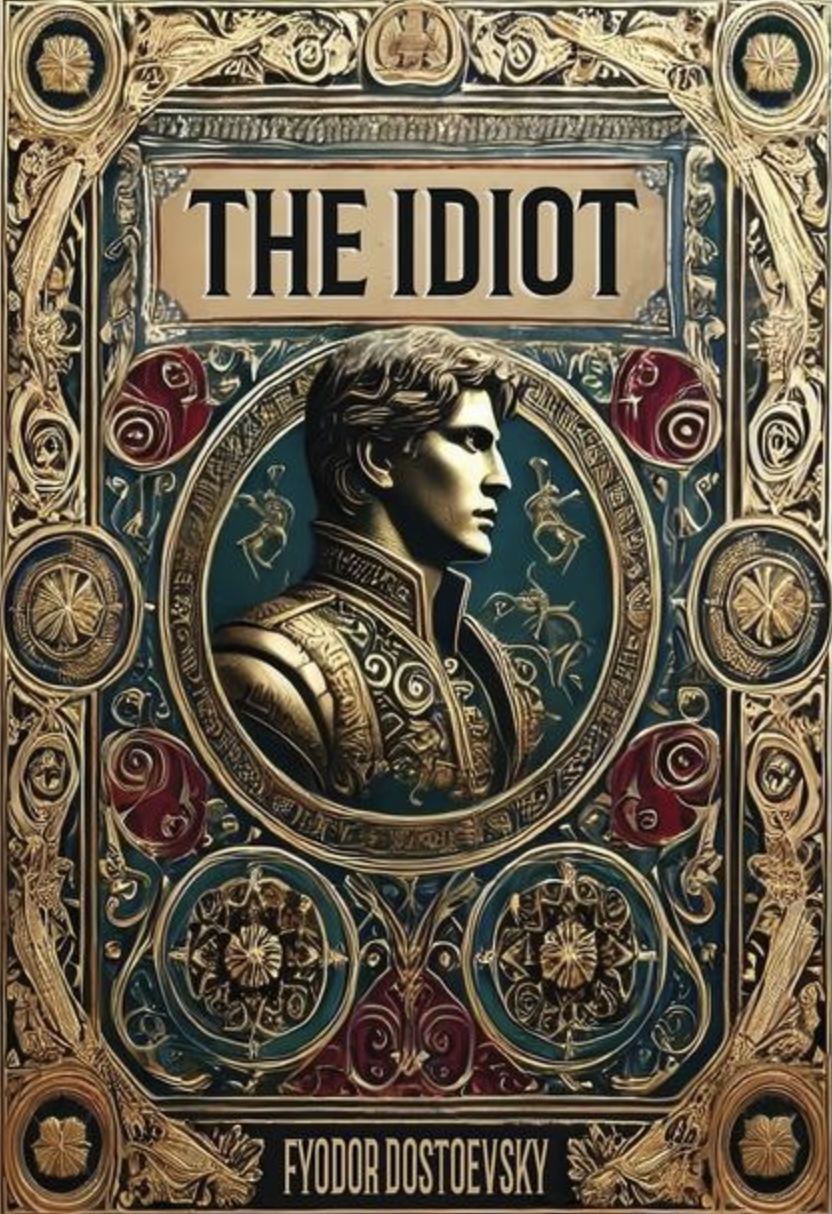
The Idiot by Fyodor Dostoevsky
If Crime and Punishment asks whether a great man has the right to murder, Dostoevsky's 1869 follow-up, The Idiot, asks a far more terrifying question: Can absolute goodness survive in a fallen world?
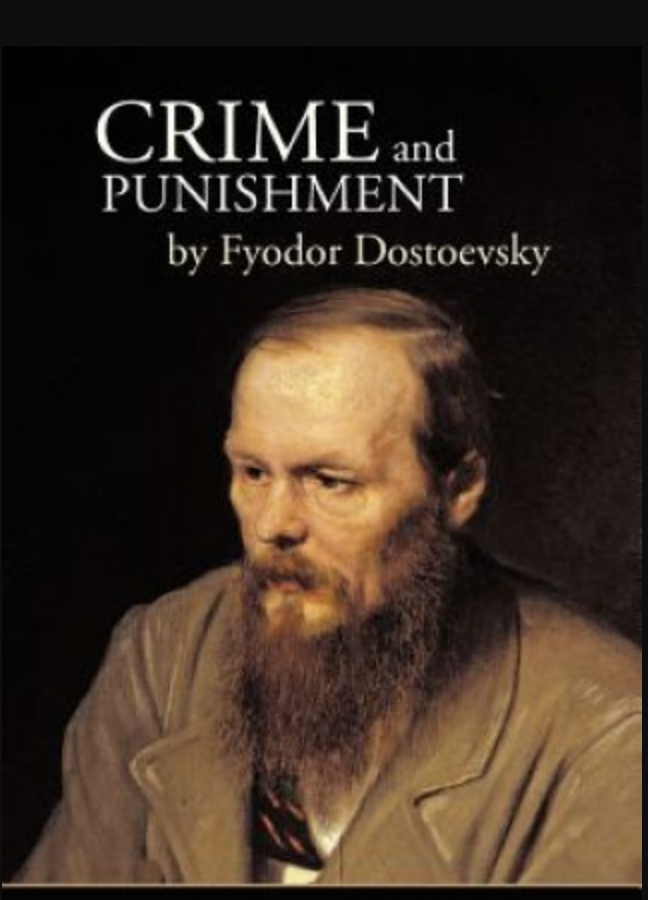
Crime and Punishment by Fyodor Dostoevsky
Prepare to descend into the feverish, claustrophobic mind of a killer. Fyodor Dostoevsky's 1866 masterpiece, Crime and Punishment, is not just a gripping psychological thriller; it is arguably the greatest literary exploration of guilt, morality, and redemption ever written. Set in the grimy tenements and taverns of 19th-century St. Petersburg, the novel follows a young, destitute student who commits a terrible murder, not for profit, but for a twisted philosophical idea.
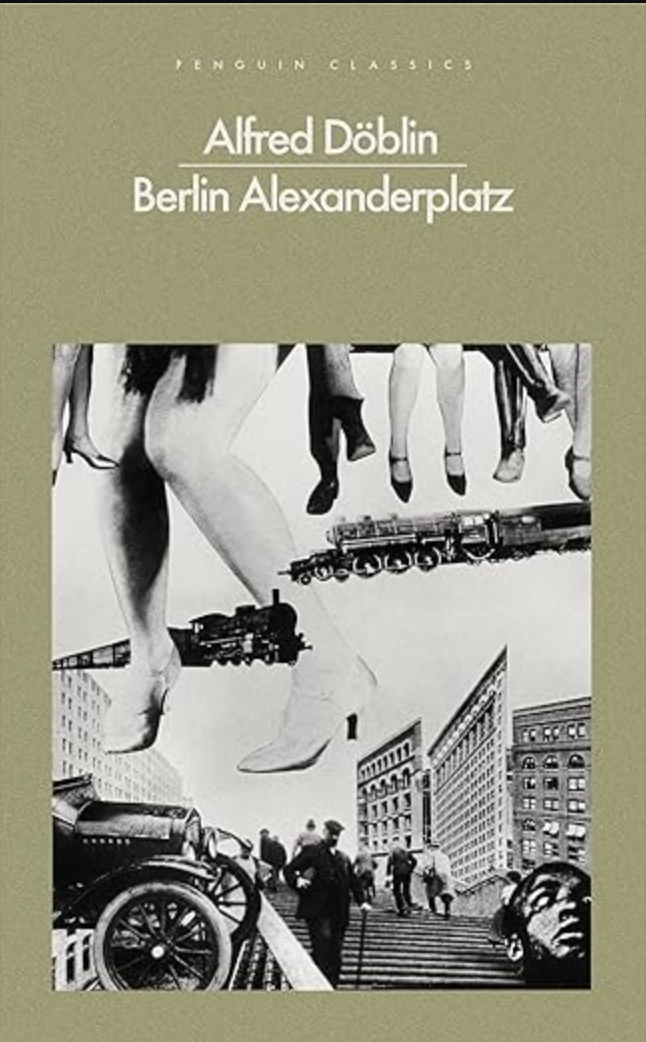
Berlin Alexanderplatz by Alfred Döblin
Step onto the pulsating, chaotic pavement of Weimar-era Berlin. This isn't just a novel; it's a cacophonous, electrifying experience. Alfred Döblin’s 1929 masterwork, Berlin Alexanderplatz: The Story of Franz Biberkopf, is a literary earthquake that forever changed the landscape of the modern novel. It tells the story of an ex-convict trying to "go straight," but its true genius lies in its revolutionary form.
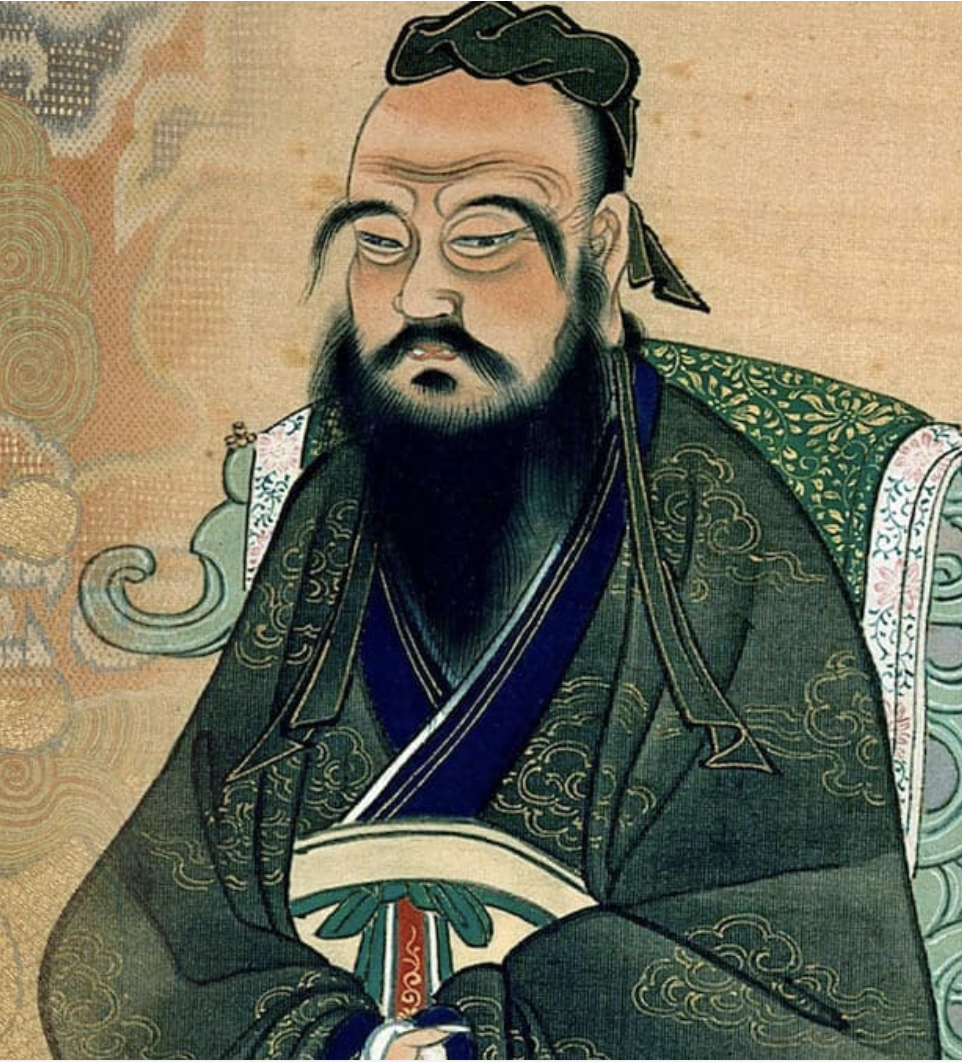
Confucius — Harmony in Relationships and Society
Lessons from the sage whose wisdom shaped a civilization Imagine a society where respect, kindness, and learning were not just ideals, but the very foundation of daily life. Imagine a man wandering through villages, speaking quietly, yet leaving a legacy that would influence millions for thousands of years. This man was Confucius, a philosopher whose ideas continue to guide people toward harmony, morality, and meaningful living.
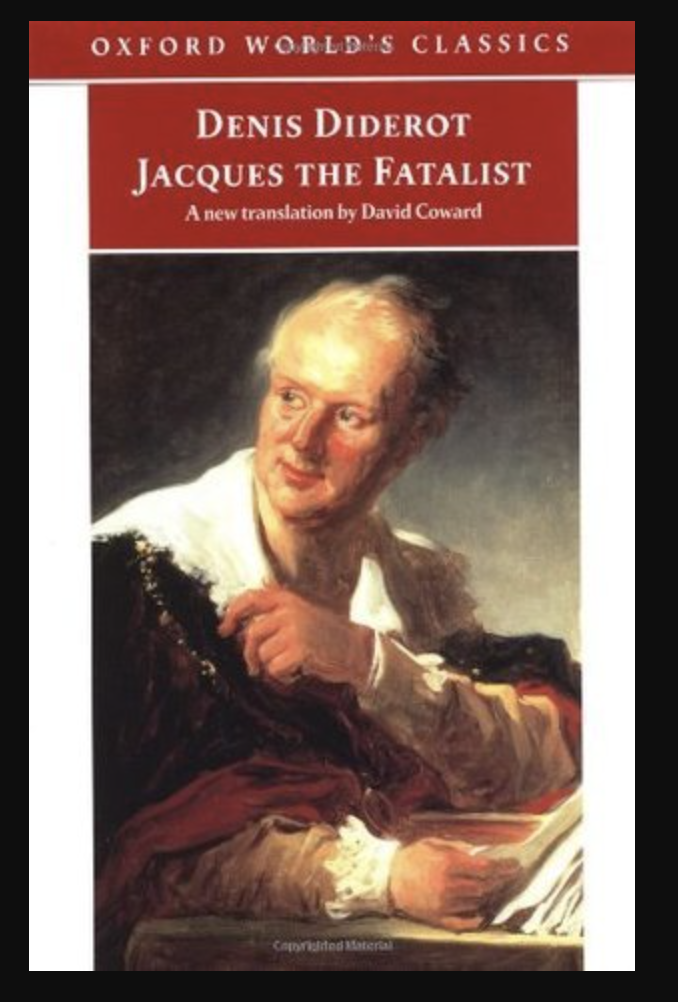
Jacques the Fatalist by Denis Diderot
We continue our literary expedition with one of the most intellectually playful and formally challenging books ever written: Jacques the Fatalist and His Master (written c. 1773, published 1796) by Denis Diderot. This book is not a straightforward novel; it is a dizzying, hilarious, and philosophical conversation that constantly breaks the fourth wall, interrupting its own narrative to question the very nature of storytelling and destiny.
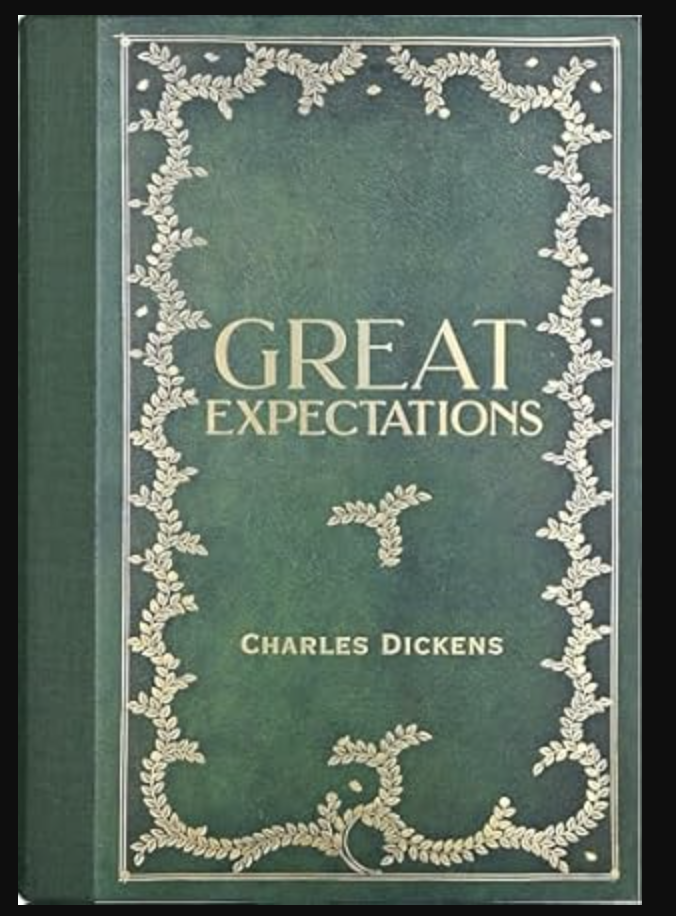
Great Expectations by Charles Dickens
Stepping into the world of Charles Dickens means entering a vibrant, often harsh, yet deeply human version of 19th-century England. Among his greatest works, Great Expectations (1861) stands out as a masterpiece of personal growth, social commentary, and psychological depth. It is the story of Pip (Philip Pirrip), a poor orphan whose life is suddenly and mysteriously transformed by a secret benefactor, leading him to abandon his humble origins for the glittering, often cruel, promise of the London elite.
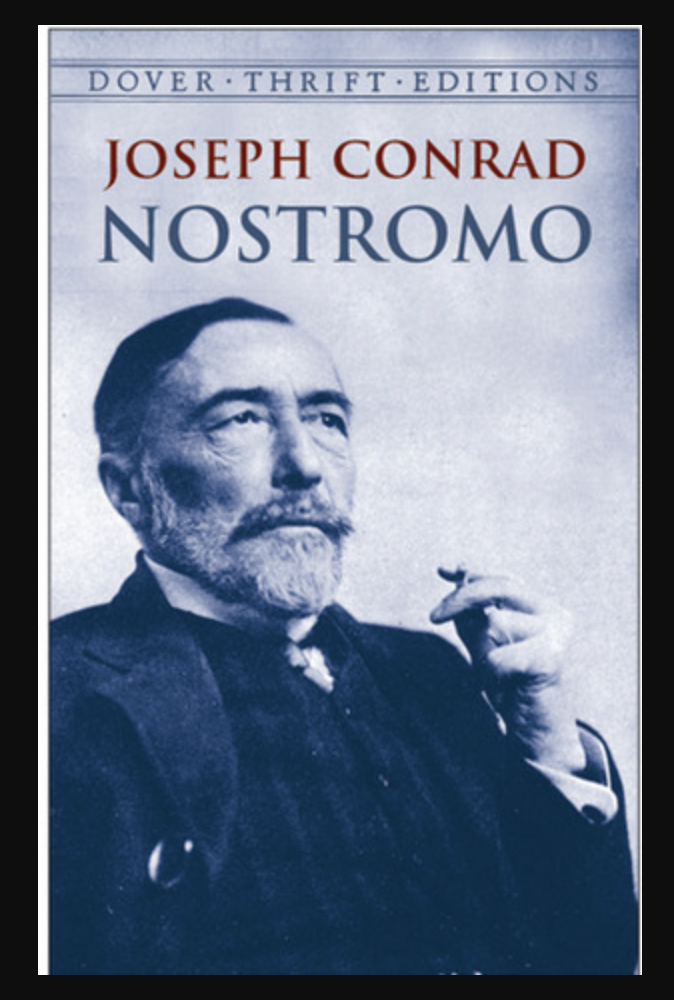
Nostromo by Joseph Conrad
In the vast landscape of classic literature, Joseph Conrad's Nostromo: A Tale of the Seaboard (1904) stands as a towering, complex, and profound achievement. This novel is not a light adventure tale, but a dense, meticulously constructed examination of politics, capitalism, and corruption set in the fictional South American republic of Costaguana, specifically the Occidental Province of Sulaco.
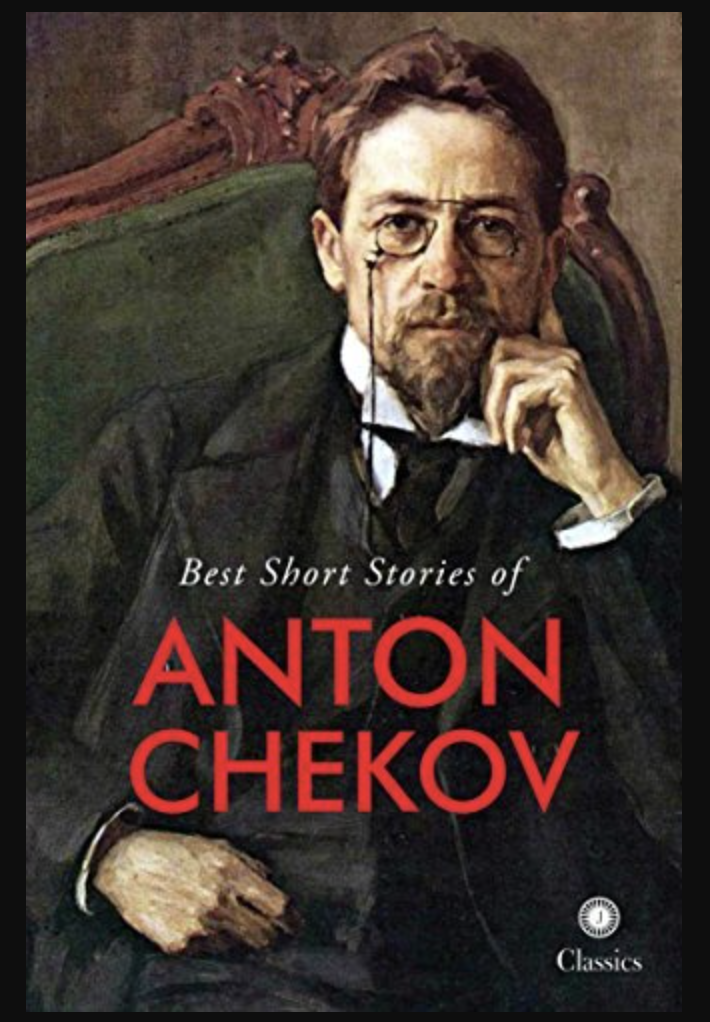
The Stories of Anton Chekhov
For the next installment in our "100 Books You Must Read" series, we turn our attention to the delicate, profound, and often melancholic world of Anton Chekhov's short stories. Chekhov (1860–1904) is arguably the master of the modern short story and a foundational figure in modern drama.
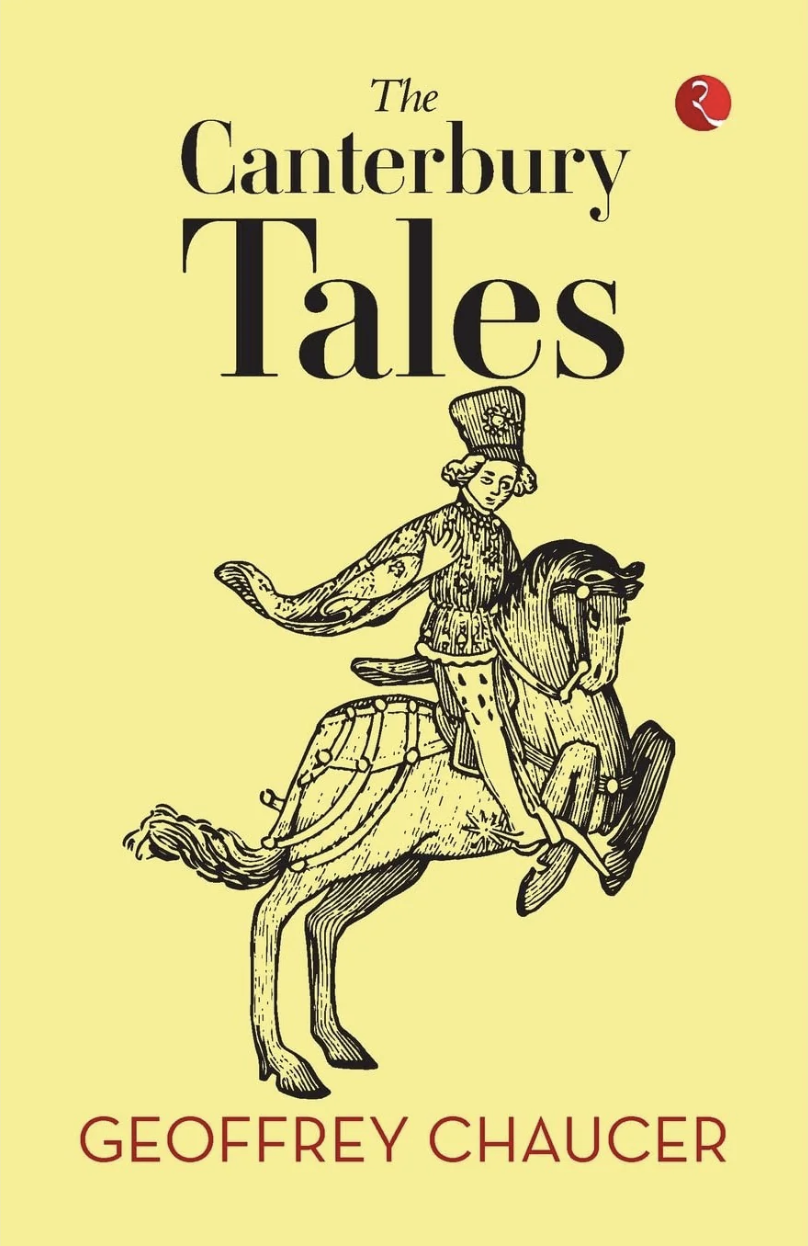
The Canterbury Tales by Geoffrey Chaucer
Welcome to the "100 Books You Must Read" series! We kick off our journey not on a modern highway, but on a dusty road in 14th-century England. Geoffrey Chaucer's The Canterbury Tales is one of the most significant works in English literature. It’s an unfinished collection of stories told by a group of pilgrims traveling from Southwark to the shrine of Thomas Becket at Canterbury Cathedral.
Explore by Category
Find articles that interest you
Challenge Your Mind
Take a break from reading and test your logic skills with our daily puzzle!
Can you solve today's puzzle? Test your deductive skills!
Daily Number Path
Find the only valid path through a 4×4 grid. Quick daily brain teaser!
Can you solve today's number puzzle? Follow the +1/-1 rule!
Explore where technology meets intellect. From technical tutorials to intellectual exploration—stay curious and inspired.
About Our Blog
Explore where technology meets intellect. From technical tutorials to intellectual exploration—stay curious and inspired.
Stay Curious. Stay Inspired.
Join our community of thinkers, developers, and lifelong learners. Explore ideas that challenge, inspire, and empower you to think differently.

