
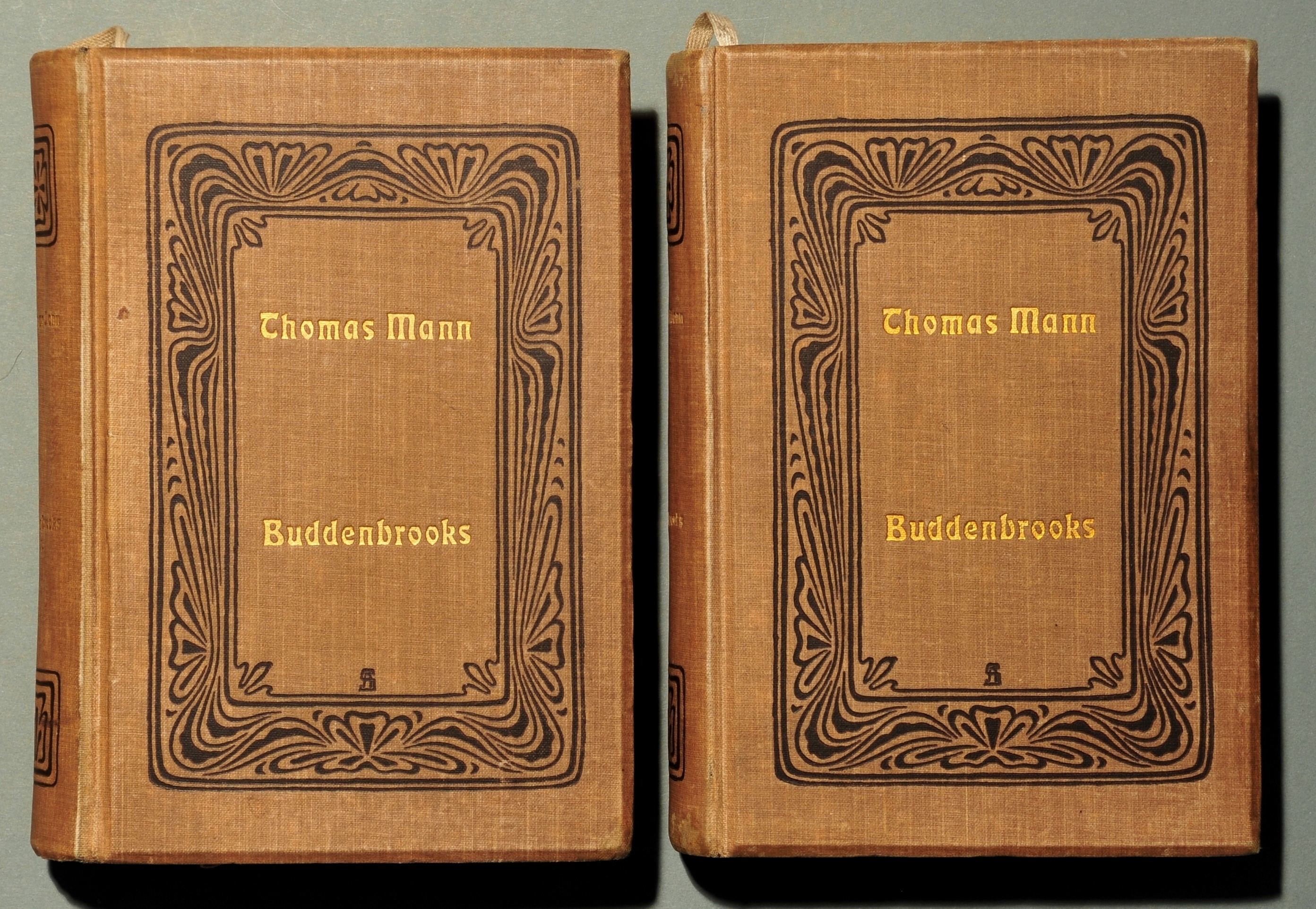
Buddenbrooks by Thomas Mann
Theodoros Kafantaris
Published on July 08, 2026
1. Introduction
Thomas Mann was only 25 when he published Buddenbrooks (1901), a novel tracing four generations of a Lubeck merchant family from prosperity through gradual decline. The Nobel Prize committee cited it as the principal reason for his award. It remains one of the great family sagas—alongside One Hundred Years of Solitude and War and Peace—but its tone is elegiac rather than exuberant.
2. About the Author
Thomas Mann (1875–1955) was a German novelist, short story writer, and essayist, awarded the Nobel Prize in Literature in 1929. Born into a prosperous Lubeck merchant family, his own background mirrored the world of Buddenbrooks. Mann's works often explore the tension between bourgeois life and artistic sensibility, a theme central to this novel. His other major works include The Magic Mountain and Death in Venice. Exiled during the Nazi era, Mann became a prominent critic of totalitarianism.
3. Story Overview
Buddenbrooks chronicles the rise and fall of the Buddenbrook family, a wealthy merchant dynasty in the northern German city of Lubeck, from 1835 to 1877. The novel opens with the family's patriarch, Johann Buddenbrook Sr., a shrewd and pragmatic businessman who has built a thriving grain trading company. His son, Johann Jr., continues the tradition, but the seeds of decline are sown in the next generation. The narrative follows the lives of the four generations, focusing on the gradual erosion of the family's commercial vigor and social standing.
The first major crisis comes with the death of Johann Jr., after which the business passes to his son, Thomas Buddenbrook. Thomas is more refined and cultured than his predecessors, but he lacks their ruthless pragmatism. He struggles to maintain the family's prosperity in a changing economic landscape, and his marriage to the beautiful but cold Gerda Arnoldsen brings further tension. Thomas's brother, Christian, is a hedonistic failure, and his sister, Tony, makes disastrous marriages that drain the family's resources. Tony's first marriage to the con man Bendix Grunlich and her second to the weak-willed Permaneder highlight the family's declining judgment.
The final generation is represented by Hanno Buddenbrook, Thomas's only son. Hanno is a highly sensitive and artistic child, deeply attached to music, but utterly unsuited for business. He is bullied at school and retreats into his own world. After Thomas's death, the company is sold, and the family's fortune dissipates. Hanno dies of typhoid at age 15, ending the Buddenbrook line. The novel's famous final scene shows the family's once-grand house being auctioned off, a poignant symbol of the end of an era. Mann weaves themes of decadence, the conflict between art and commerce, and the inexorable passage of time into a richly detailed portrait of 19th-century bourgeois life.
4. Key Takeaways
- Decadence follows prosperity: Each generation becomes more refined and less capable of the harsh decisions needed to maintain wealth, leading to inevitable decline.
- Art and business are mortal enemies: The family's artistic sensitivity, especially in Hanno, is incompatible with the pragmatic demands of commerce, resulting in the loss of both fortune and vitality.
- A family is a slow-motion tragedy: The novel shows how internal weaknesses and external pressures combine to unravel a dynasty, with each character contributing to the collective fate.
5. Why This Book Is a Must Read
Buddenbrooks is a masterpiece of psychological realism and social observation. Its deep exploration of family dynamics, the clash between tradition and modernity, and the cost of cultural refinement make it timeless. Mann's prose is both elegant and incisive, capturing the nuances of character and setting with extraordinary detail. The novel offers profound insights into the human condition, making it essential reading for anyone interested in literature, history, or the complexities of family life.


