
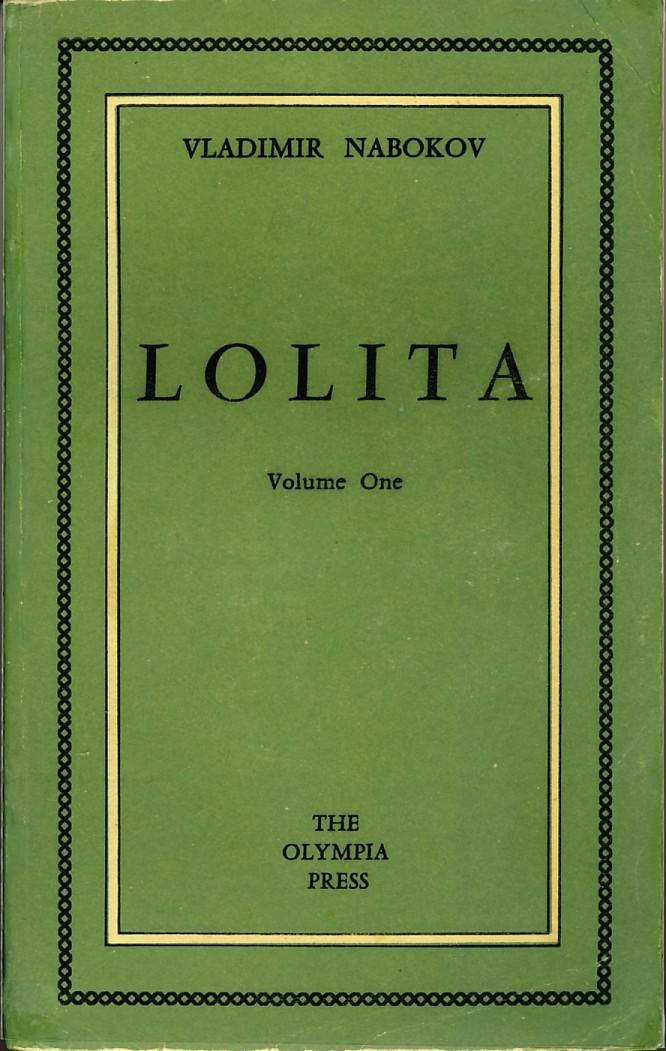
Lolita by Vladimir Nabokov
Theodoros Kafantaris
Published on July 07, 2026
1. Introduction
"Lolita, light of my life, fire of my loins." Nabokov's Lolita (1955) is a novel that weaponizes beauty. Its narrator, Humbert Humbert, is a pedophile who presents his crime as a tragic love story. The novel dares you to enjoy its prose—then demands you confront what you have enjoyed. It is a masterwork of unreliable narration, linguistic brilliance, and moral provocation that has sparked debate for decades.
2. About the Author
Vladimir Nabokov (1899–1977) was a Russian-American novelist, lepidopterist, and literary scholar. Born into an aristocratic family, he fled the Russian Revolution and eventually settled in the United States, where he wrote Lolita while teaching at Cornell. His works are known for intricate wordplay, complex structures, and a deep suspicion of cliché. Nabokov insisted that Lolita had no moral purpose—only aesthetic bliss.
3. Story Overview
Lolita is narrated by Humbert Humbert, a European intellectual with a pathological obsession for "nymphets"—girls aged nine to fourteen. The story begins with his childhood love, Annabel Leigh, whose death leaves him fixated. As an adult, he moves to the small town of Ramsdale, where he rents a room from the widowed Charlotte Haze. There he meets her twelve-year-old daughter, Dolores Haze—his Lolita. He marries Charlotte to stay close to Dolores, and when Charlotte dies in a freak accident, Humbert takes Lolita on a cross-country road trip, molesting her nightly under the guise of fatherly care.
The narrative is a confession written from prison, where Humbert awaits trial for murder. He manipulates the reader with self-deprecating wit and literary allusions, but the horror seeps through. Lolita is not the seductress he paints her as; she is a trapped child who eventually escapes with another predator, Clare Quilty. Humbert tracks them down, kills Quilty, and is arrested. In the final pages, he visits the now-pregnant, impoverished Dolores (now Mrs. Richard Schiller) and offers her money, but she refuses. He dies of heart failure while awaiting trial.
Major themes include obsession, the corruption of innocence, the power of language to distort reality, and the ethics of art. The novel is structured as a frame narrative: Humbert's manuscript, edited by a fictional psychiatrist, John Ray Jr., who warns readers of its moral danger. Key characters include the manipulative Humbert, the victimized Lolita (whose perspective is largely absent), the predatory Quilty (Humbert's doppelgänger), and the oblivious Charlotte. Notable scenes include the first sighting of Lolita in the garden, the hotel seduction (where Humbert drugs her), and the chaotic murder of Quilty. The novel's literary significance lies in its stylistic virtuosity and its challenge to conventional morality—it forces readers to question their own responses to beauty and evil.
4. Key Takeaways
- Beauty can be a weapon: Humbert's exquisite prose seduces the reader into sympathizing with a monster, revealing how aesthetic pleasure can blind us to moral horror.
- Monsters are not obvious: The novel shows that evil often wears a charming, intelligent face, and that the most dangerous predators can be the most articulate.
- Art is not morality: Nabokov insists that great art can depict immoral acts without endorsing them, forcing readers to separate their aesthetic and ethical judgments.
5. Why This Book Is a Must Read
Lolita is a literary masterpiece that redefines the possibilities of narrative voice. Its linguistic brilliance is unmatched—every sentence is crafted with precision and wit. The novel forces readers to confront uncomfortable truths about complicity, manipulation, and the limits of empathy. It is not a book to be enjoyed lightly, but one that will haunt you and change how you read. For anyone interested in the power of language and the complexity of human evil, Lolita is essential.


