
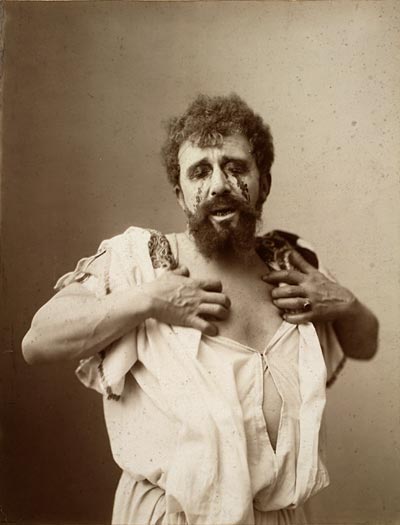
Oedipus the King by Sophocles
Theodoros Kafantaris
Published on July 07, 2026
1. Introduction
Sophocles' Oedipus the King (c. 429 BCE) stands as the archetype of all tragedy, a masterpiece that has shaped Western literature for millennia. The play opens with a devastating plague ravaging Thebes. The oracle of Delphi decrees that the plague will end only when the murderer of the previous king, Laius, is found and punished. Oedipus, the current king renowned for solving the riddle of the Sphinx, vows to hunt down the killer, unaware that he himself is the culprit. This central irony drives the narrative, as every step Oedipus takes toward the truth tightens the noose around his own fate.
2. About the Author
Sophocles (c. 497–406 BCE) was one of ancient Greece's most celebrated playwrights, second only to Aeschylus and Euripides in the canon of Greek tragedy. He wrote over 120 plays, of which only seven survive intact. Known for his innovations in dramatic structure, Sophocles introduced the third actor and increased the chorus's role. His works explore themes of fate, free will, and human suffering with profound psychological depth. Oedipus the King is widely regarded as his finest achievement and a cornerstone of dramatic literature.
3. Story Overview
Oedipus the King begins with Thebes in crisis: a plague kills crops, livestock, and citizens. Oedipus, the confident and beloved ruler, sends his brother-in-law Creon to the oracle at Delphi for guidance. Creon returns with the message that the plague will cease only when the murderer of Laius, the former king, is expelled from the city. Oedipus, determined to save his people, pronounces a curse on the unknown killer and vows to bring him to justice.
As the investigation unfolds, Oedipus summons the blind prophet Tiresias, who at first refuses to speak. Pressured by Oedipus, Tiresias reveals that Oedipus himself is the murderer. Enraged, Oedipus accuses Tiresias and Creon of conspiracy. Jocasta, Oedipus's wife and Laius's widow, tries to comfort Oedipus by recounting that Laius was killed at a crossroads by strangers—a detail that unsettles Oedipus, who recalls killing a man at a similar location. A messenger arrives from Corinth with news of Polybus's death, Oedipus's supposed father, but reveals that Oedipus was adopted. Jocasta, realizing the truth, begs Oedipus to stop his investigation, but he presses on.
The final revelation comes from a shepherd who witnessed the murder and who, years earlier, was ordered to abandon a baby with pierced ankles—the infant Oedipus. The truth is complete: Oedipus killed his father Laius at the crossroads and married his mother Jocasta. Jocasta hangs herself in shame, and Oedipus, upon discovering her body, blinds himself with her dress pins. The play ends with Oedipus, now blind and broken, begging to be exiled from Thebes, a tragic figure who has gained terrible knowledge at the cost of everything.
Major themes include the inevitability of fate versus free will, the irony of knowledge and blindness, and the limits of human insight. The narrative structure is a masterful detective story where the investigator is the criminal, building suspense through dramatic irony. Key characters include Oedipus, the tragic hero; Jocasta, his mother-wife; Creon, the loyal brother; and Tiresias, the blind seer who sees the truth. Notable scenes include the confrontation with Tiresias, the revelation of the shepherd, and Oedipus's self-blinding. The play's literary significance is immense, influencing countless works and serving as the model for Aristotle's concept of tragedy.
4. Key Takeaways
- Fate cannot be outrun: Despite efforts to avoid the prophecy, Oedipus fulfills it in every detail, illustrating the ancient Greek belief in an inescapable destiny.
- Self-knowledge is devastating: Oedipus's relentless pursuit of truth leads to his ruin, showing that some knowledge can destroy rather than liberate.
- The wise are blind, the blind wise: Tiresias, though physically blind, perceives the truth, while Oedipus, with sight, is blind to his own identity—a powerful metaphor for insight versus perception.
5. Why This Book Is a Must Read
Oedipus the King is essential reading for anyone interested in the foundations of drama, psychology, and philosophy. Its exploration of fate, identity, and the human condition remains profoundly relevant. The play's tight structure, dramatic irony, and emotional power make it a gripping experience even after 2,500 years. It is a timeless masterpiece that continues to challenge and move audiences, offering deep insights into the nature of truth and the consequences of hubris.


