
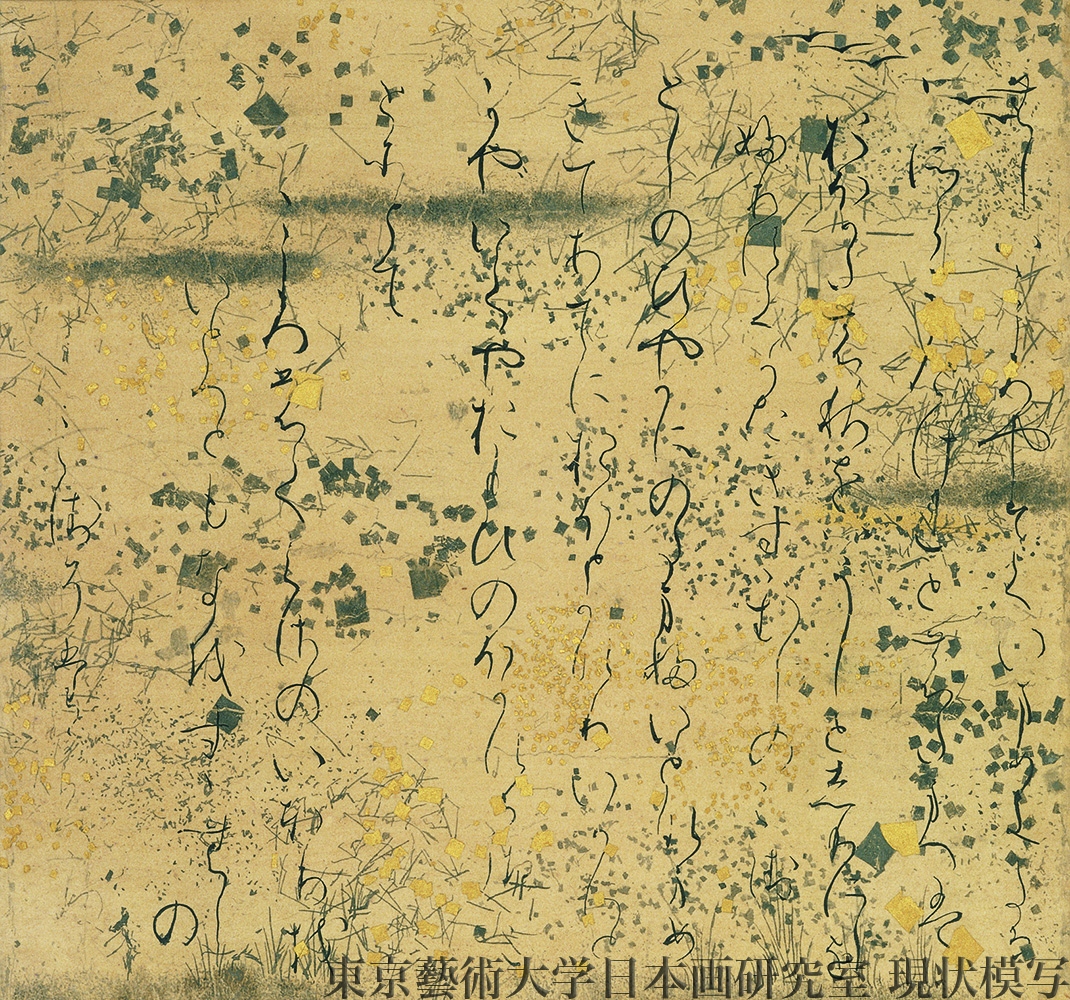
The Tale of Genji by Murasaki Shikibu
Theodoros Kafantaris
Published on July 08, 2026
1. Introduction
Written around 1008 CE by Murasaki Shikibu, a lady-in-waiting at the Japanese imperial court, The Tale of Genji is widely considered the world's first novel—and one of its greatest. Spanning over 1,000 pages in translation, it follows the life and loves of Prince Genji and, after his death, his descendants. The psychological depth, the attention to seasonal change and aesthetic experience, and the portrayal of women's inner lives would not be matched in European literature for centuries.
2. About the Author
Murasaki Shikibu (c. 973–1014) was a Japanese novelist, poet, and lady-in-waiting at the Heian court. Little is known about her life, but she is believed to have been born into a minor branch of the Fujiwara clan. Her real name is unknown; "Murasaki Shikibu" is a sobriquet derived from a character in her novel and her father's official title. She wrote The Tale of Genji while serving Empress Shōshi, and her diary provides valuable insights into court life. Her work has had a profound influence on Japanese literature and culture.
3. Story Overview
The Tale of Genji chronicles the life of Hikaru Genji, the "Shining Prince," son of an emperor and a low-ranking concubine. After his mother's death, Genji is raised in the imperial court, where his extraordinary beauty and talent make him a favorite. The novel is divided into three parts: Genji's youth and romantic exploits, his middle age and political rise, and the lives of his descendants after his death.
The first part focuses on Genji's numerous love affairs, most notably his obsessive pursuit of Fujitsubo, a concubine of his father who resembles his dead mother. This forbidden passion leads to the birth of a son who later becomes emperor. Genji also marries Aoi, a high-ranking noblewoman, but their relationship is strained. After Aoi's death, he adopts young Murasaki, whom he raises to become his ideal wife. Other significant relationships include the mysterious Lady Rokujō, whose jealous spirit haunts Genji's wives, and the fragile Yugao, who dies tragically.
The second part follows Genji's later years, as he builds a lavish palace called Rokujō-in and enjoys political power. However, his life is marred by the infidelity of his third wife, Onna San no Kimi, who bears a child by another man. This betrayal echoes Genji's own past sins and leads to his gradual decline. The third part shifts to the adventures of Genji's supposed son, Kaoru, and his grandson, Niou, who are entangled in romantic intrigues and spiritual quests.
Major themes include the transience of beauty and life (mono no aware), the power of fate and karma, and the complexities of love and desire. The narrative is rich in poetic allusions, seasonal imagery, and psychological insight. Key characters are vividly drawn, from the passionate Genji to the stoic Murasaki and the vengeful Lady Rokujō. Notable scenes include the "Rainy Night Discussion" on women, the death of Yugao, and the haunting of Lady Rokujō. The novel's literary significance lies in its pioneering use of interior monologue, its sophisticated structure, and its profound exploration of human emotions, setting a standard for narrative fiction worldwide.
4. Key Takeaways
- The novel is older than you think: Written around 1008 CE, The Tale of Genji predates European novels by more than 500 years, making it a groundbreaking work of fiction.
- Japanese aesthetics predate European by centuries: The novel's emphasis on mono no aware (the pathos of things) and seasonal beauty influenced Japanese culture long before similar concepts emerged in the West.
- Women wrote the first novel: Murasaki Shikibu, a female author, created this masterpiece, challenging the notion that early literature was dominated by men.
5. Why This Book Is a Must Read
The Tale of Genji is not just a historical artifact but a timeless exploration of human nature. Its psychological depth, poetic beauty, and intricate storytelling continue to captivate readers. It offers a window into Heian Japan, with its court rituals, aesthetics, and social dynamics, while addressing universal themes of love, loss, and the passage of time. For anyone interested in the origins of the novel or the richness of world literature, this is an essential read.


