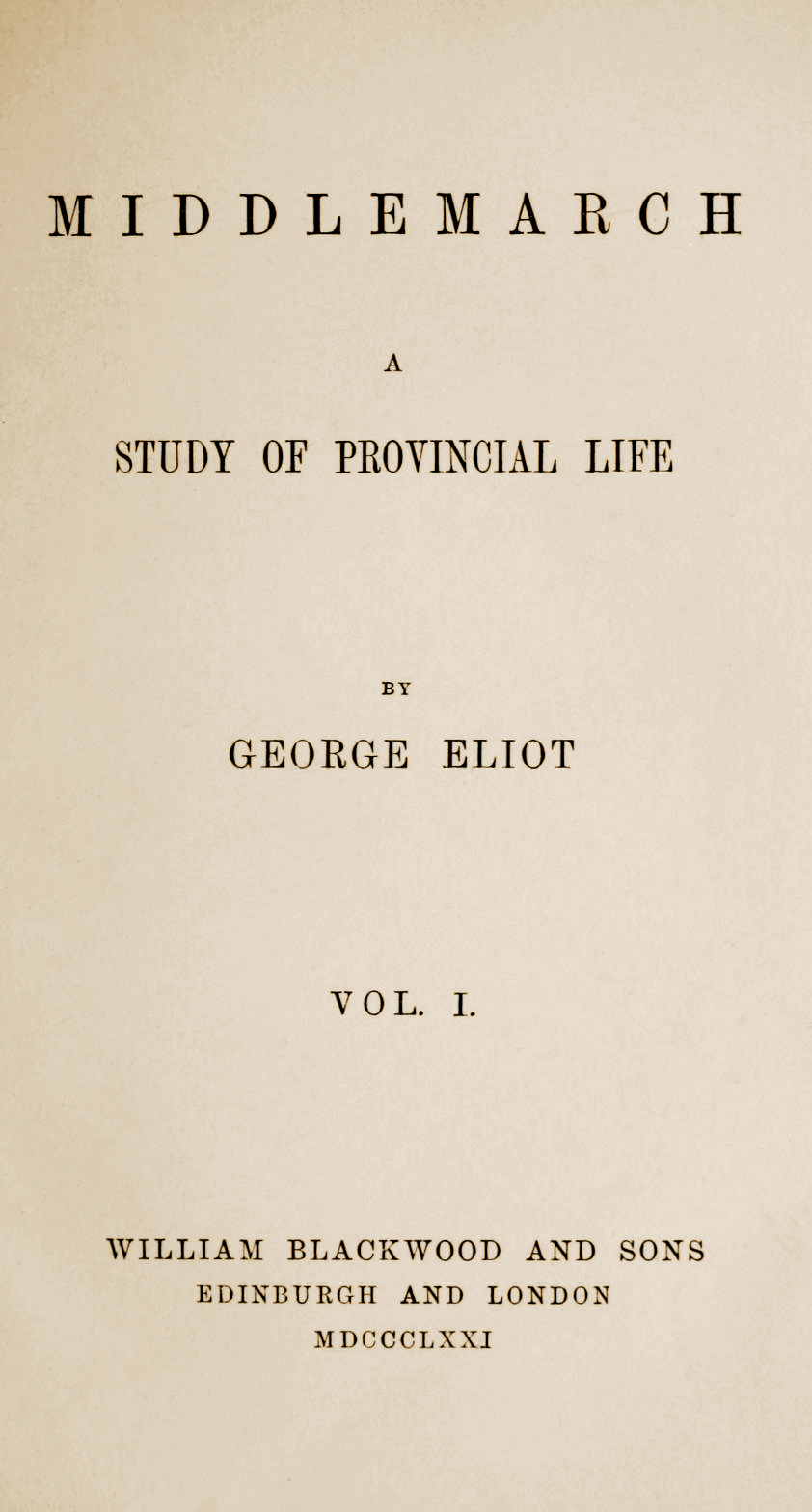
Middlemarch του Τζορτζ Έλιοτ
Λίγα μυθιστορήματα αποτυπώνουν το πλήρες εύρος της ανθρώπινης εμπειρίας όπως το Middlemarch του Τζορτζ Έλιοτ. Δημοσιευμένο το 1871-72, αυτό το εκτενές αριστούργημα είναι μια βαθιά εξέταση του γάμου, της φιλοδοξίας, του ιδεαλισμού και των ήσυχων συμβιβασμών που διαμορφώνουν τις συνηθισμένες ζωές. Συχνά αποκαλούμενο το σπουδαιότερο αγγλικό μυθιστόρημα που γράφτηκε ποτέ, συνυφαίνει πολλαπλές ιστορίες σε μια πλούσια ταπισερί της επαρχιακής ζωής.

Παρουσιάζοντας το Arena: Η Ολοκληρωμένη Πλατφόρμα Διαχείρισης Αθλητικών Ακαδημιών
Με ενθουσιασμό ανακοινώνουμε το Arena — τη νέα μας ολοκληρωμένη πλατφόρμα διαχείρισης για αθλητικές ακαδημίες και συλλόγους. Διαχειριστείτε αθλητές, προπονητές, προπονήσεις, παρουσίες, πληρωμές και αξιολογήσεις από ένα ενιαίο, όμορφο dashboard.

Το WIRED Greece για τον «Νοικοκύρη» και τον εφιάλτη του web scraping
Το WIRED Greece δημοσίευσε ένα εκτενές άρθρο για την πλατφόρμα PosoKanei του ελληνικού κράτους, όπου φιλοξενεί και τη δική μας εμπειρία από τον «Νοικοκύρη» — την πλατφόρμα σύγκρισης τιμών που αναπτύξαμε στην ATOMIC.
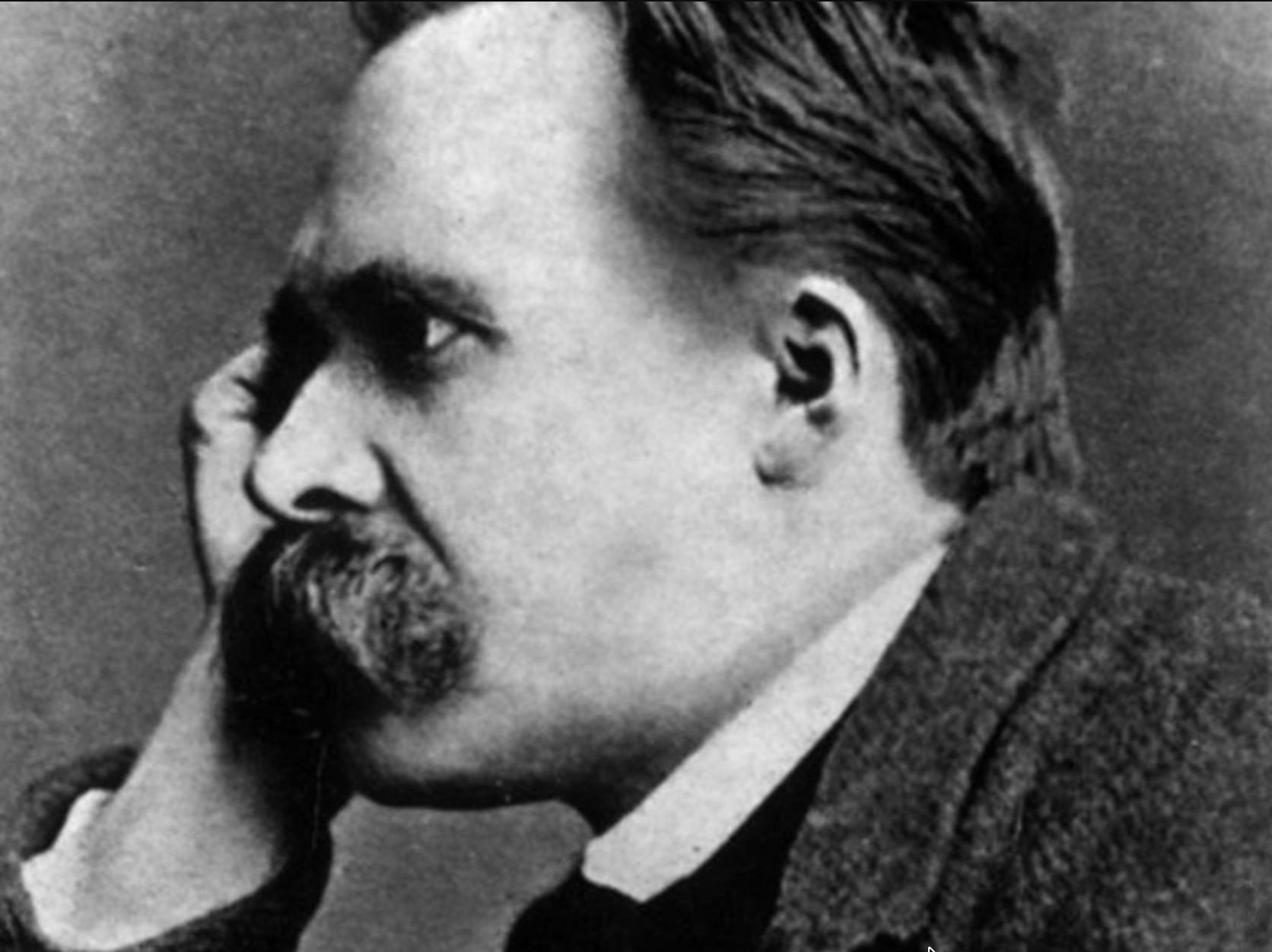
Friedrich Nietzsche — Becoming Who You Truly Are
The philosopher who challenged us to embrace life, authenticity, and creativity Imagine a life lived not according to society’s rules, expectations, or comfort, but fully in alignment with your own inner strength, vision, and values. This was the challenge posed by Friedrich Nietzsche, the 19th-century German philosopher who shook the foundations of morality, culture, and self-understanding. Nietzsche invites us to ask: Who am I? What do I truly value? And am I brave enough to create my own life?
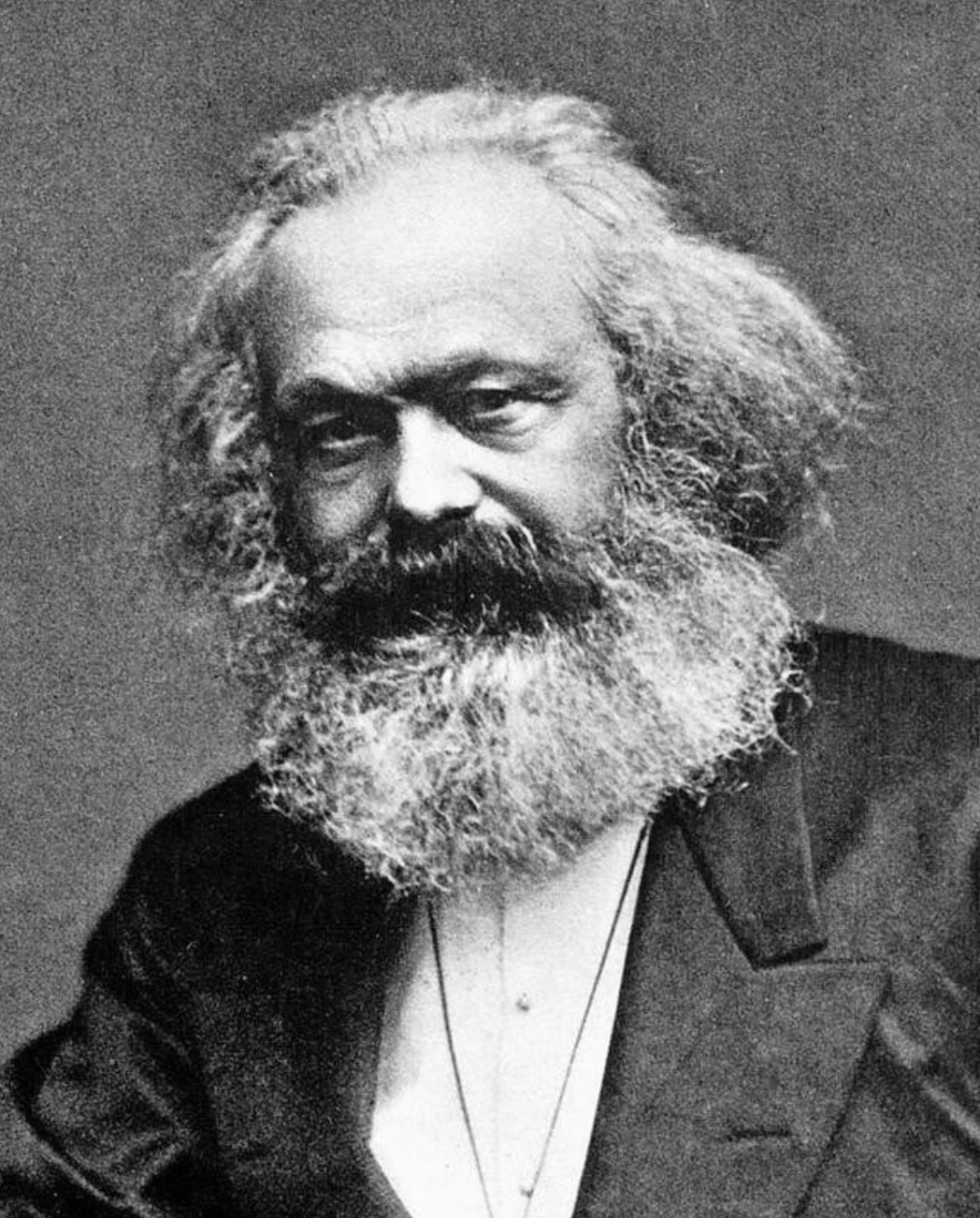
Karl Marx — Society, Inequality, and the Call for Change
The philosopher who challenged the world to see injustice and imagine a fairer society Imagine walking through a bustling industrial city in the 19th century. Smoke rises from factories, children work long hours, and the streets are alive with both opportunity and struggle. Into this world stepped Karl Marx, a thinker who refused to accept that suffering was inevitable. Marx taught that society could be understood, analyzed, and transformed—and that awareness of inequality is the first step toward change.
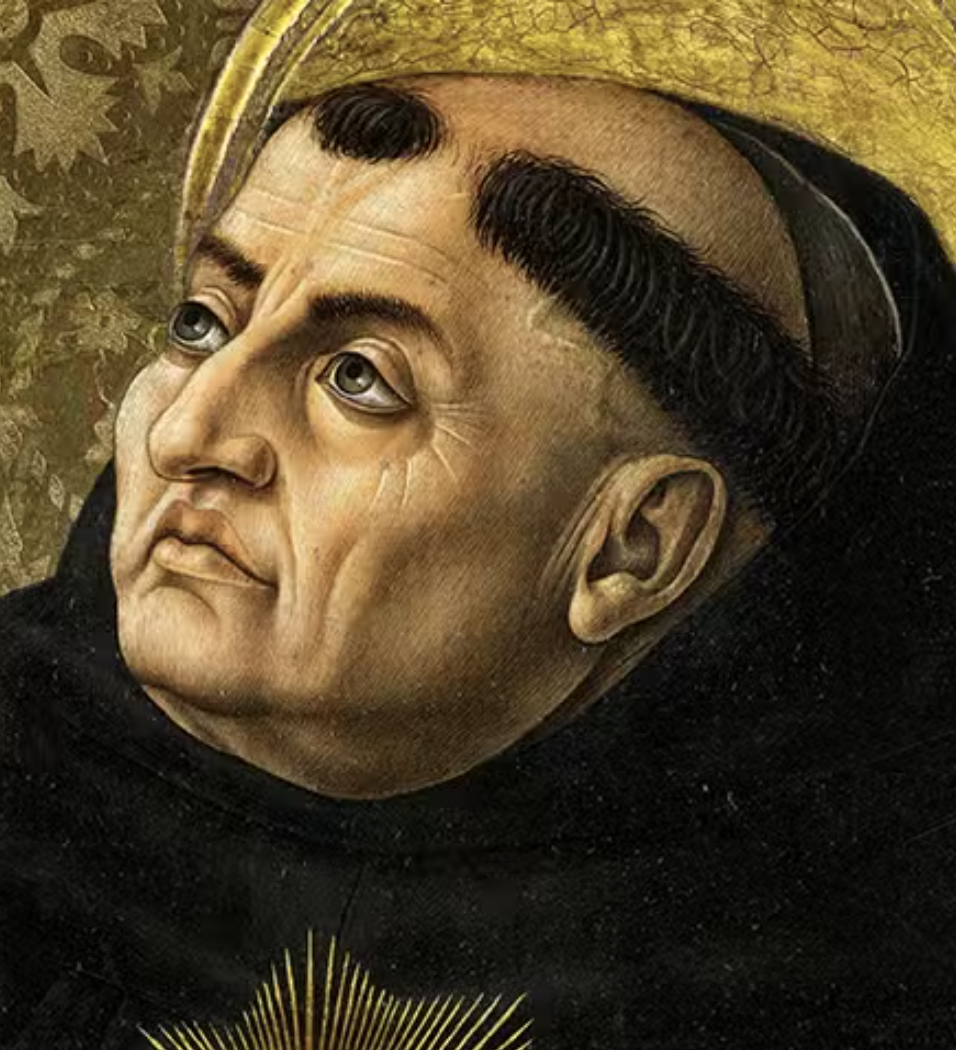
Thomas Aquinas — Faith, Reason, and the Harmony of Life
The philosopher who bridged heaven and earth through reason and faith Imagine a mind so curious that it seeks not only to understand the world but also to understand God, morality, and the ultimate purpose of life. This was the mind of Thomas Aquinas, a 13th-century philosopher and theologian whose work harmonized faith and reason, showing that belief and logic need not conflict, but can illuminate one another.
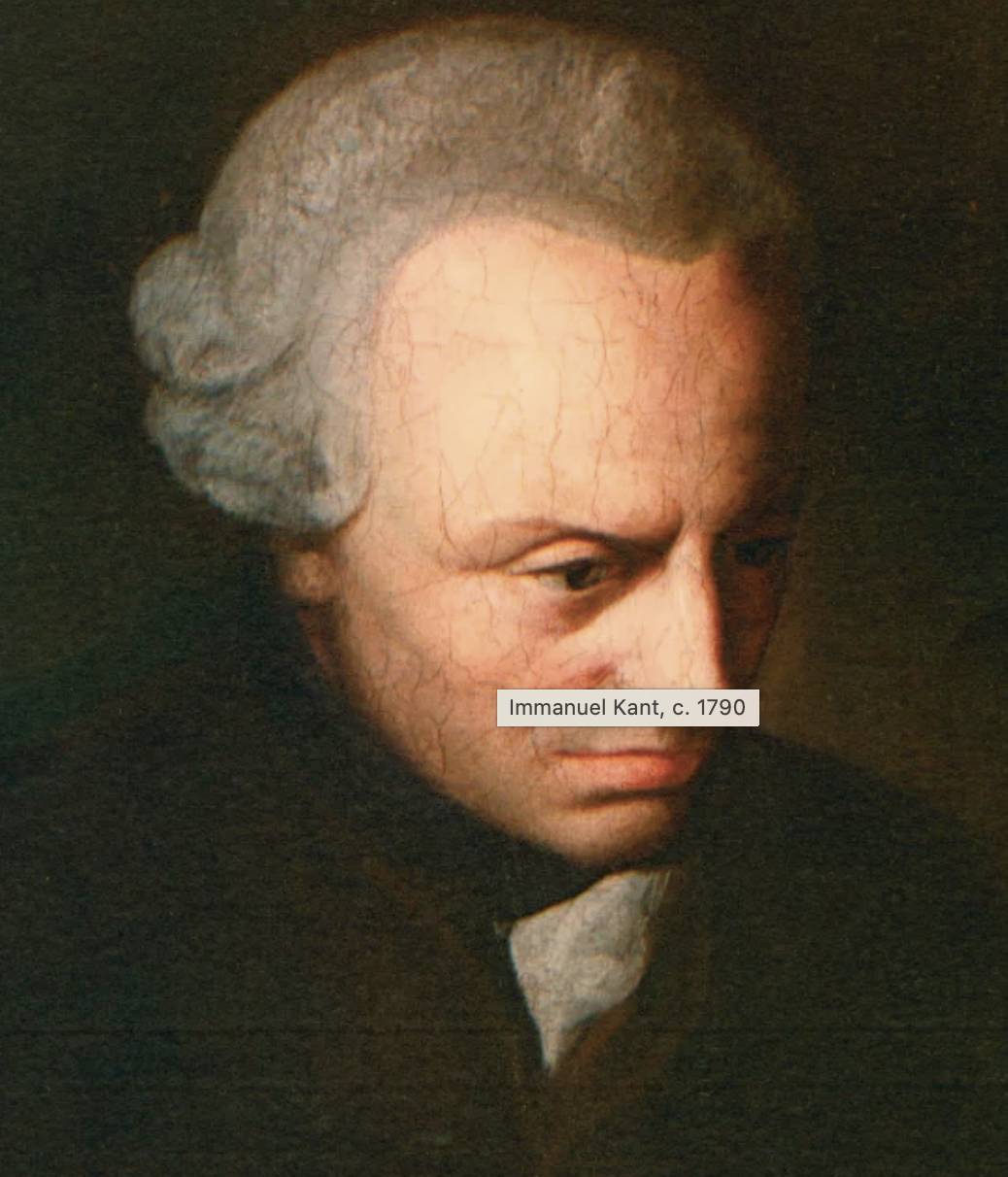
Immanuel Kant — Morality, Purpose, and the Enlightenment of the Mind
The philosopher who taught that reason and integrity illuminate the path to a meaningful life Imagine walking through a world full of conflicting opinions, moral uncertainty, and temptation. How do you know what is right? How do you act with integrity? These questions guided the life of Immanuel Kant, the 18th-century German philosopher whose ideas about reason, ethics, and human dignity continue to inspire generations.
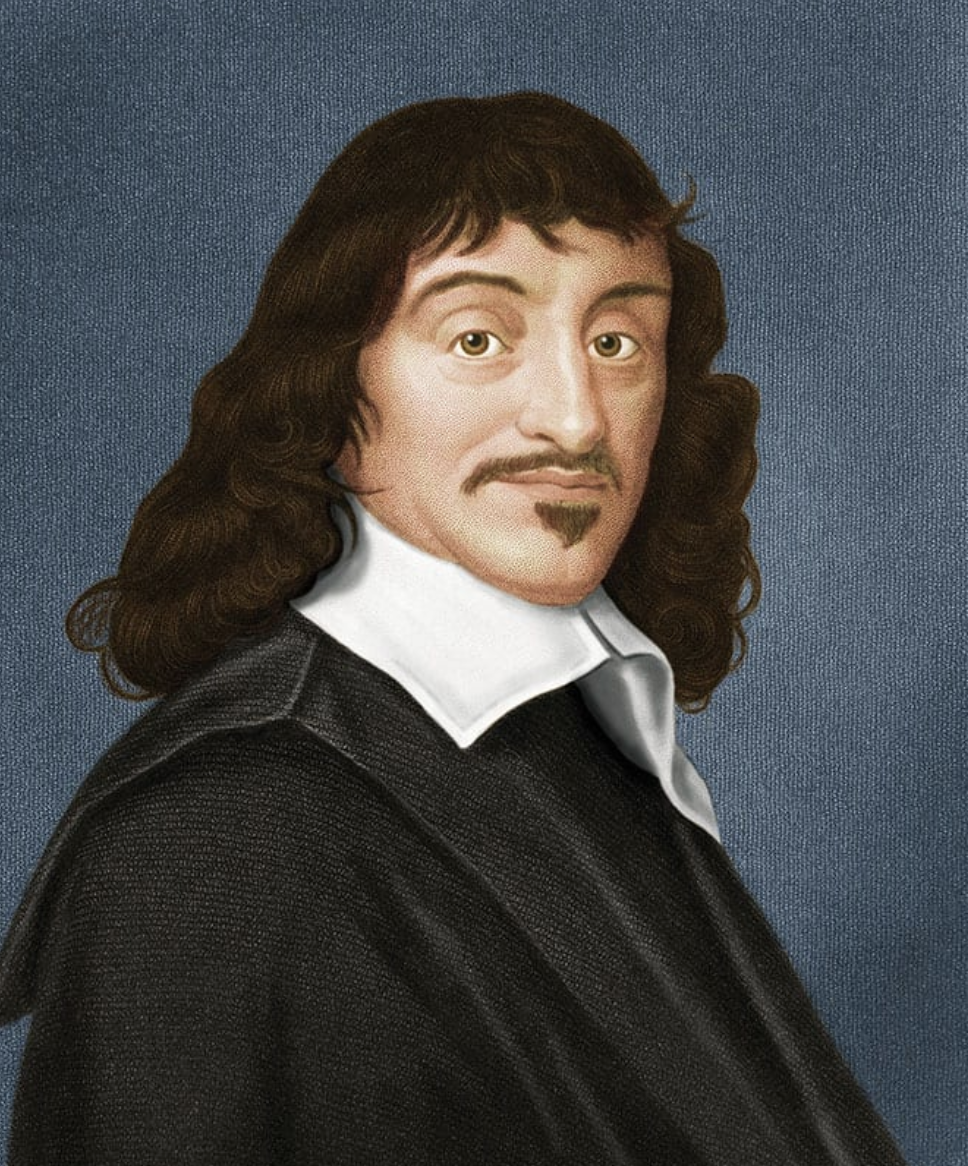
René Descartes — Clarity, Doubt, and the Power of Thinking
The philosopher who taught the world to question everything, starting with himself Imagine sitting alone in a quiet room, pondering the mysteries of life: What can I truly know? What is real? How do I distinguish truth from illusion? This was the world of René Descartes, the 17th-century French thinker who revolutionized philosophy by teaching the power of clear thought, reason, and self-reflection.

Gypsy Ballads by Federico García Lorca
Poetry often gets a bad reputation for being dusty, academic, or disconnected from real life. Federico García Lorca’s Gypsy Ballads (originally titled Romancero Gitano, published in 1928) shatters that reputation completely. This collection is vibrant, violent, sensual, and pulsing with the hot blood of Andalusia.
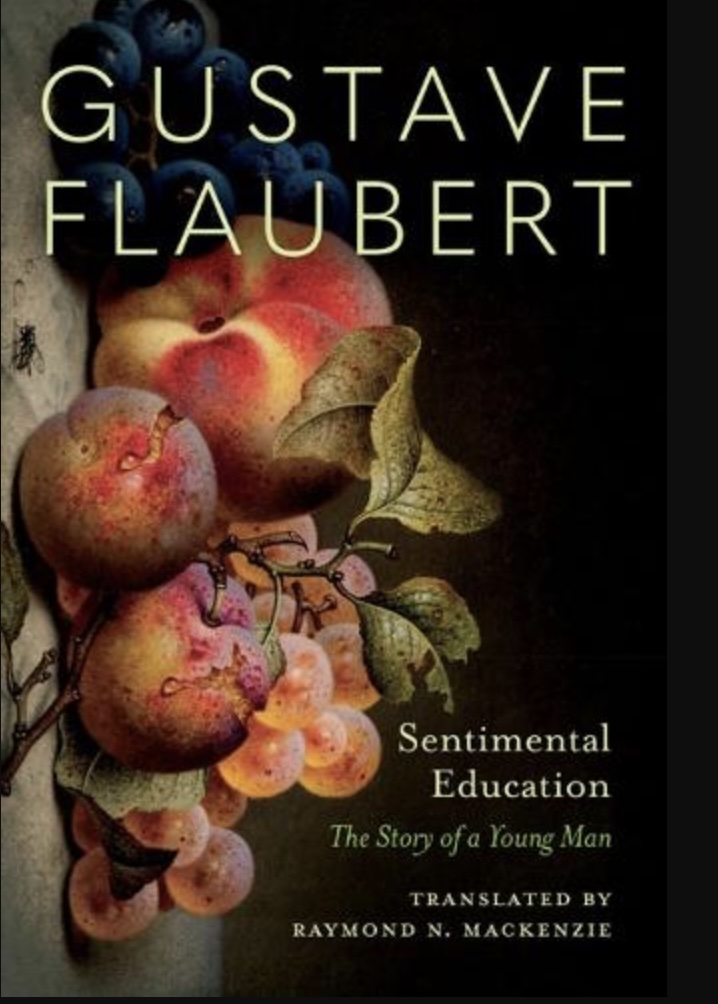
Sentimental Education by Gustave Flaubert
If Madame Bovary is a tragedy about the fatal collision of dreams and reality, Sentimental Education is a slow-burn study of how dreams just sort of... fade away. Published in 1869, this is Gustave Flaubert’s most ambitious work, often cited by critics as one of the greatest novels ever written, even if it initially baffled readers.

Madame Bovary by Gustave Flaubert
Before there was Desperate Housewives or Sex and the City, there was Emma Bovary. Published in 1856, Madame Bovary is the novel that effectively invented modern realism. It caused a massive scandal upon release—Flaubert was literally put on trial for obscenity—because it dared to treat adultery not as a moral failing to be preached against, but as a symptom of a bored, unsatisfied life.
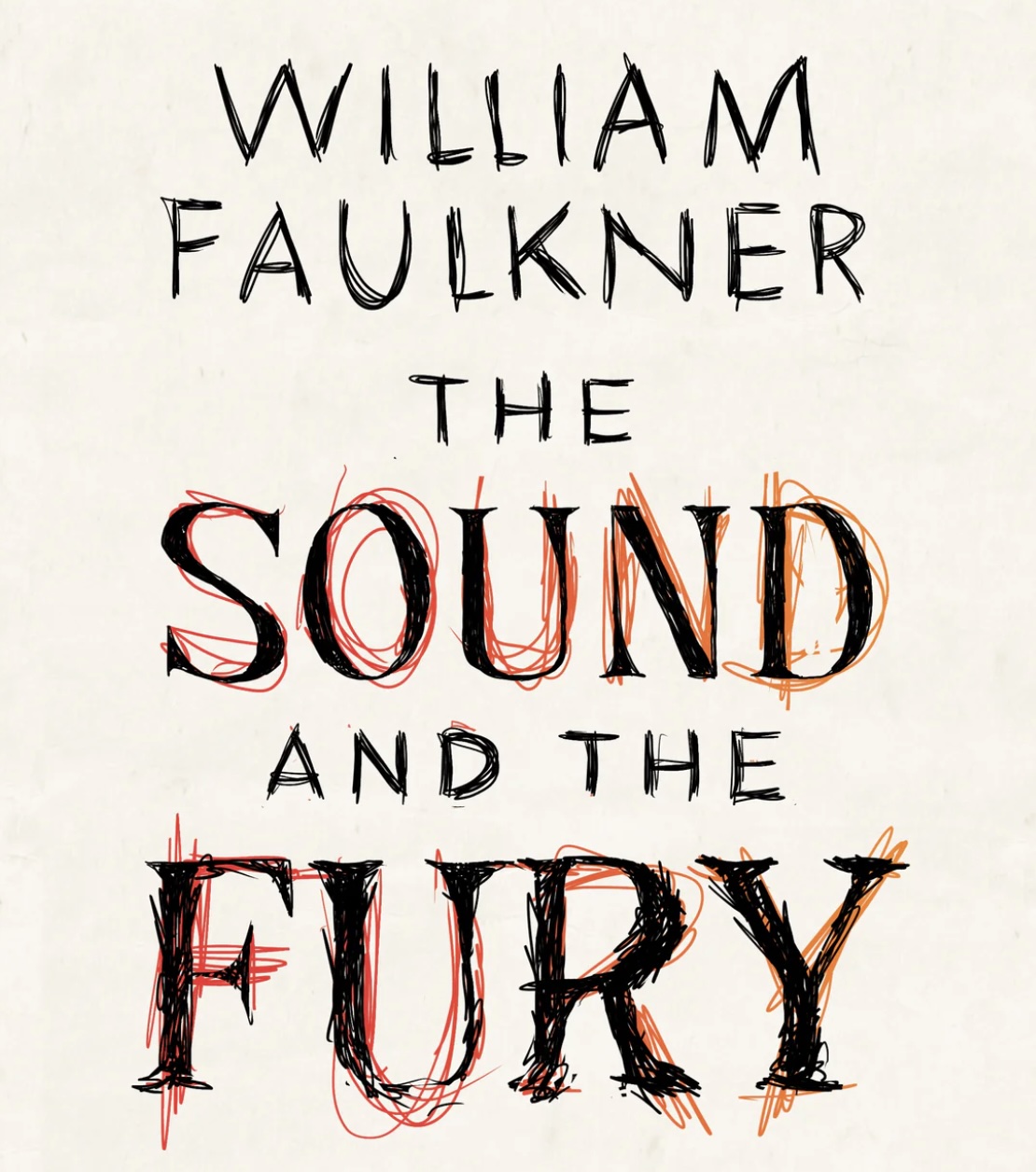
The Sound and the Fury by William Faulkner
If Absalom, Absalom! is the mountain, The Sound and the Fury is the dense, fog-covered forest at its base. Published in 1929, this novel is widely considered one of the greatest works of American literature—and arguably the most challenging.
Explore by Category
Find articles that interest you
Προκαλέστε το Μυαλό Σας
Κάντε ένα διάλειμμα από το διάβασμα και δοκιμάστε τις ικανότητές σας στη λογική με τον ημερήσιο γρίφο μας!
Μπορείτε να λύσετε τον σημερινό γρίφο; Δοκιμάστε τις ικανότητές σας!
Daily Number Path
Find the only valid path through a 4×4 grid. Quick daily brain teaser!
Can you solve today's number puzzle? Follow the +1/-1 rule!
Explore where technology meets intellect. From technical tutorials to intellectual exploration—stay curious and inspired.
Σχετικά με το Blog Μας
Explore where technology meets intellect. From technical tutorials to intellectual exploration—stay curious and inspired.
Μείνετε Περίεργοι. Μείνετε Εμπνευσμένοι.
Γίνετε μέλος της κοινότητάς μας από στοχαστές, developers και δια βίου μαθητευόμενους. Εξερευνήστε ιδέες που προκαλούν, εμπνέουν και σας δίνουν τη δύναμη να σκέφτεστε διαφορετικά.



Ⓒ 2026. Με επιφύλαξη παντός δικαιώματος atomic